Inside the line / 01
Drain cleaning& descaling
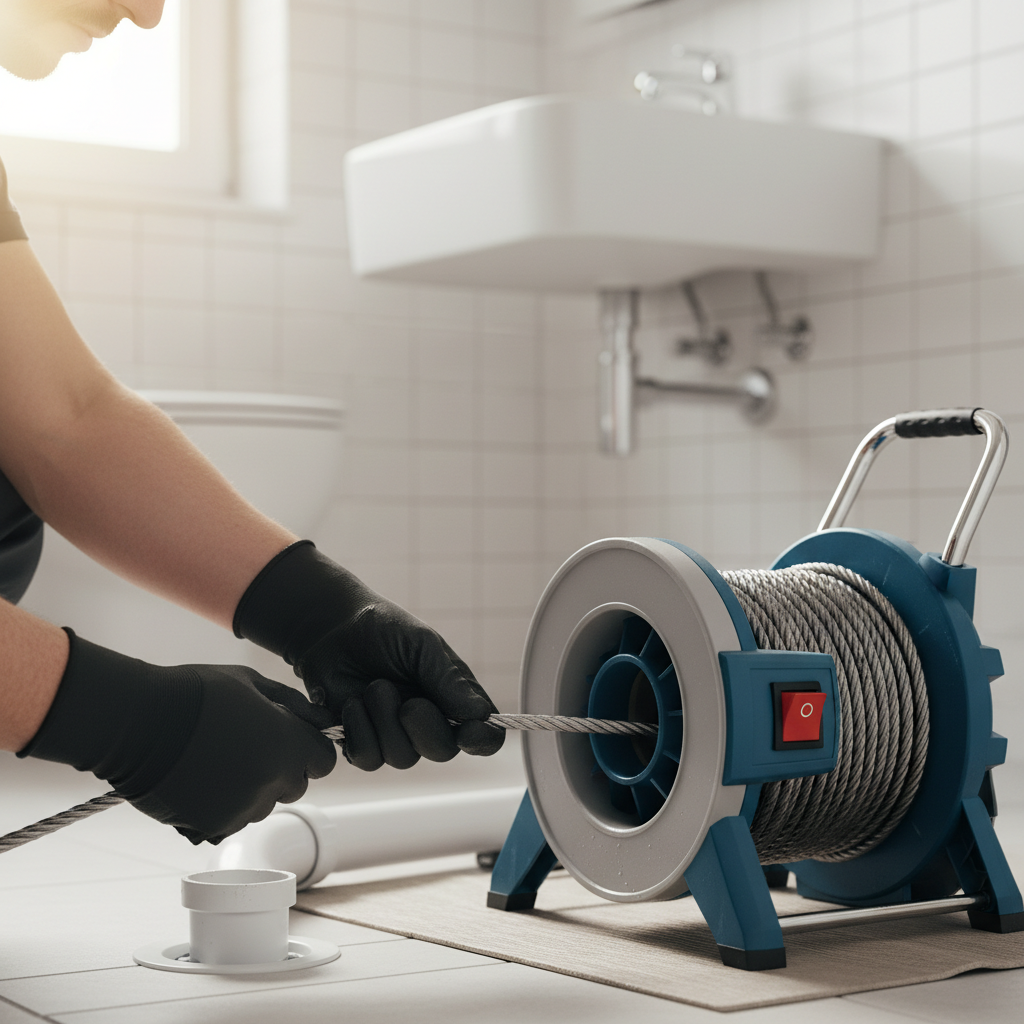
An obstruction in the line and buildup on the pipe wall call for different work. We start with a camera inspection to see which condition we’re dealing with.
The work / at a glance
Three distinct steps, one informed decision
We look at the accessible line before recommending cleaning or descaling. The camera helps separate a blockage from scale—and identify visible pipe damage that cleaning won’t fix.
02 / Clear the obstruction
When the line is blocked
A slow or backed-up drain tells you something is in the way; it does not tell you what or where.
We inspect the accessible sewer line to locate visible trouble and assess its condition. If cleaning is the appropriate next step, the work focuses on clearing the obstruction rather than treating every restriction as a pipe repair. A follow-up camera look helps us discuss what remains visible in the line.
How camera inspections work →03 / Work along the wall
Cast iron collects more than clogs
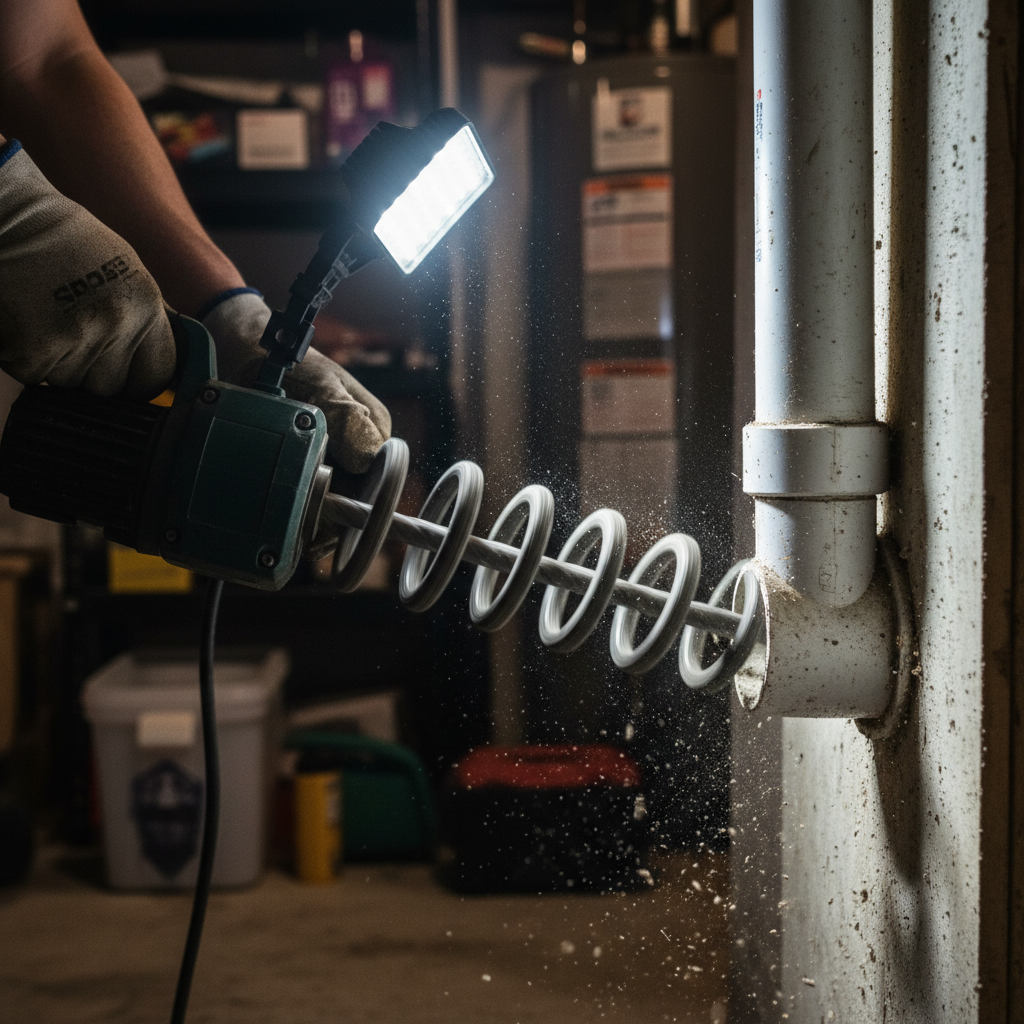
In older cast iron, rough buildup can accumulate along the inside wall and narrow the passage. Descaling addresses that buildup across the affected section—not just a single obstruction in its path.

Before descaling, a camera inspection helps assess the accessible pipe and the extent of visible buildup. Pipe condition matters: removing scale is different from repairing a defect in the pipe itself.
After the work, we review what the camera can see and explain whether any separate concern needs attention. For a qualifying localized defect, UV point repair may be an option.
Planning the work
Access and cost factors
What we can reach and what the pipe shows both shape the cleaning or descaling work we discuss.
What we need access to
We need an accessible cleanout or other entry point. If an obstruction prevents the camera from passing, cleaning may be needed before we can see farther into the line. Descaling also requires access along the affected cast iron section.
If the camera shows a defect that cleaning won’t fix, we may discuss excavated access or a UV point repair, depending on what the camera shows.
What affects cost
- The extent of the obstruction or scale
- The length of line involved
- The condition of the pipe
- Access to the affected section
- Whether a follow-up camera view is needed
Questions from the line
What the camera helps answer
Is drain cleaning the same as descaling?
No. Drain cleaning addresses an obstruction. Descaling removes buildup along the walls of older cast iron pipe. An inspection helps establish which condition is present.
Why inspect before cleaning?
Similar symptoms can come from different conditions. A camera view helps locate visible restrictions and assess the accessible pipe before work begins, so we can explain why a particular approach makes sense.
Will descaling repair damaged cast iron?
Descaling removes buildup; it does not repair a cracked or otherwise defective pipe. If the camera shows a defect, we discuss it separately and assess whether an internal point repair is suitable.
Where does Millstone Trenchless work?
We’re based in Burlington, NC and serve communities from Greensboro to Durham. Book an inspection to get the conversation started about your line.
Start with the pipe you have
See the condition before choosing the work
Millstone Trenchless inspects accessible sewer lines in Burlington and across communities from Greensboro to Durham. We’ll walk through what the camera shows and discuss the next step.