Obstructions
A blockage or an area catching debris can help explain why flow has slowed or a clog keeps returning.
Millstone Trenchless / Burlington, NC
A closer look inside the line before you decide what to do outside it.
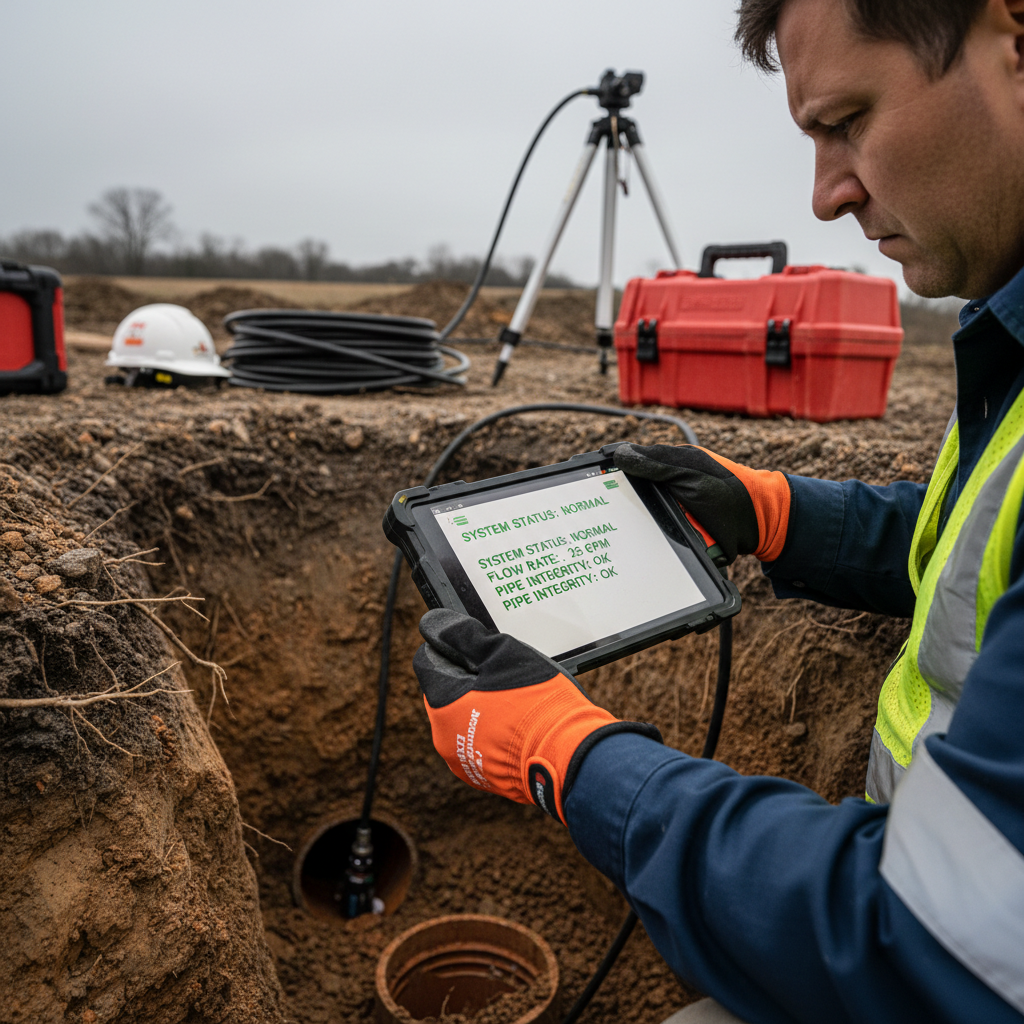
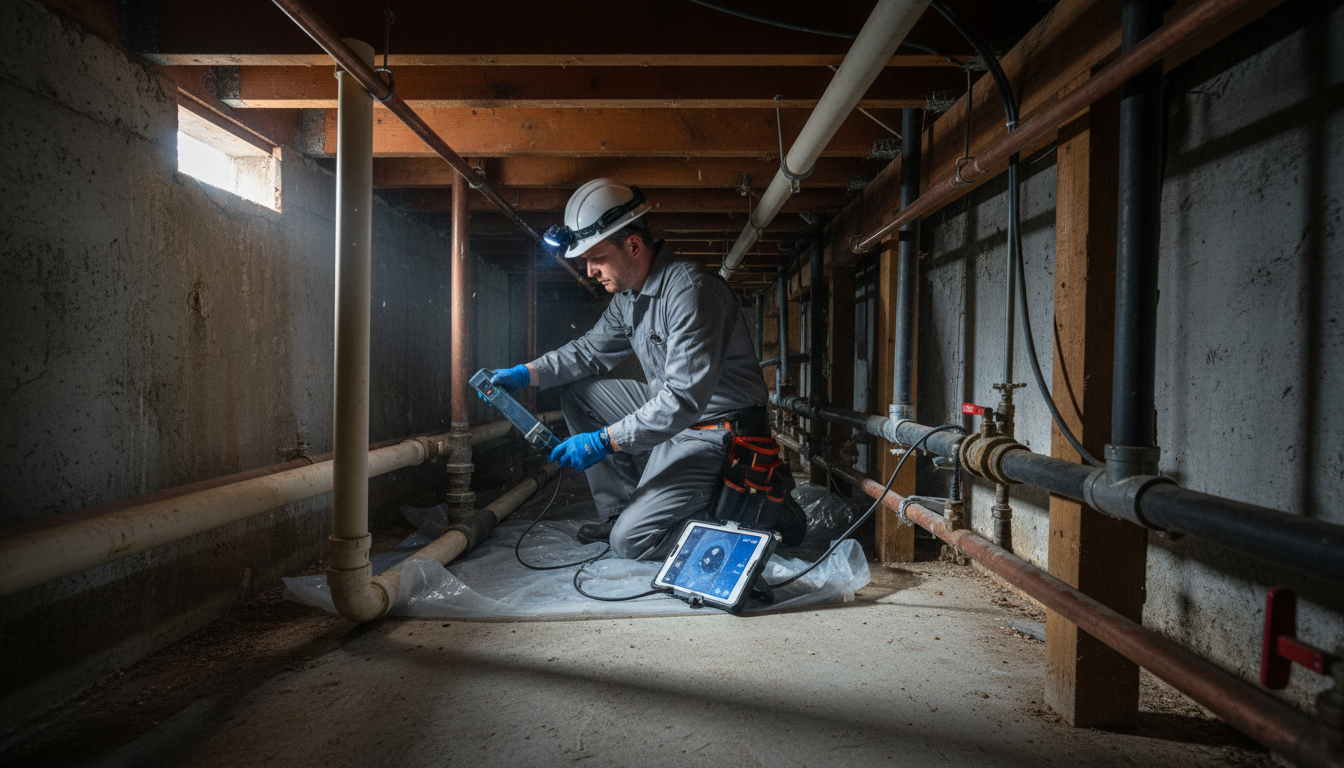
A camera travels through an accessible line to locate visible blockages, buildup and defects. We walk through the footage with you, pointing out what we can see and where the area of concern sits in the line.
Repeated clogs can have different causes. Seeing the inside of the pipe helps distinguish a buildup problem from a visible defect before discussing cleaning or repair.
What the camera can reveal
We look for what is visible in the accessible portion of the line, then explain how that finding may relate to the trouble you have noticed.
A blockage or an area catching debris can help explain why flow has slowed or a clog keeps returning.
Rough scale can narrow an older cast iron pipe. The view helps assess the buildup before discussing descaling.
A localized problem can be identified for closer discussion. Whether an internal point repair fits depends on the defect, surrounding pipe condition and access.
One line / a clearer starting point
We do not just tell you that there is a problem. We walk through the camera view with you so you can see the visible condition we are discussing.
The inspection visit
The time on site depends on access and what we encounter in the line. The inspection begins with your concern and ends with a walkthrough of what the camera shows.
Let us know about recurring clogs, slow drainage or other changes you have noticed. That context helps focus the inspection.
We guide the camera through an accessible line and look for visible obstructions, buildup and defects as it travels.
We show you the area of concern and explain what the view does—and does not—establish about the pipe.
The finding may lead to a discussion about cleaning, cast iron descaling or a qualifying UV point repair. The condition of the line guides that conversation.
Before the camera goes in
The camera needs a cleanout or another accessible entry point into the line. How far it can travel depends on the path and condition of the pipe.
A blockage may need to be cleared before the camera can pass. Locating a visible area of concern also depends on where we can enter the line and how far we can inspect.
Access to the line, its length and condition, and whether cleaning is needed first all affect the work involved. What the inspection finds can shape the next step, too.
The camera findings help determine whether a damaged section suits UV point repair. If the camera cannot pass, cleaning may be needed; if a defect is not suited to internal repair, excavated access may be needed.
Start with an inspection so the visible condition of the line can guide the conversation about cleaning or repair.
Before you book
No. The inspection shows visible conditions inside an accessible line; it is not itself a cleaning or repair. What we see helps us discuss the appropriate next step.
The camera helps locate a visible area of concern along the line. What can be assessed depends on the available access and how far the camera can travel.
Yes. We walk through what the camera shows with you, including any visible blockage, buildup or defect relevant to the concern.
Not necessarily. A qualifying localized defect may be suited to a trenchless UV point repair from inside the pipe. Access, defect location and the condition of the surrounding pipe all matter.
Burlington, NC · Greensboro to Durham
Tell Millstone Trenchless what has been happening with your line. We will start with the visible condition and talk through what makes sense from there.