Find the section
We run a camera through an accessible line to identify visible damage and understand the pipe around it.
Millstone Trenchless / Burlington, NC
A UV-cured internal repair for qualifying localized sewer pipe defects—planned from what the camera actually shows.
The repair, at a glance
A point repair treats a specific section from inside the line. Whether that approach fits depends on the defect’s location, the condition of the pipe around it and the access available.
View the accessible line, locate the area of concern and assess the surrounding pipe before choosing a repair.
Check whether the defect is localized and whether pipe condition, position and access allow an internal point repair.
For a qualifying section, place the repair from within the pipe and cure it using UV light.
Examine the treated area and walk through what the camera shows after the work.
A targeted approach
When an inspection identifies a qualifying localized defect, UV point repair offers a way to treat that section internally. It can minimize the need for traditional excavation, but it is not the answer for every damaged line.
Pipe condition + defect location + access determine suitability.
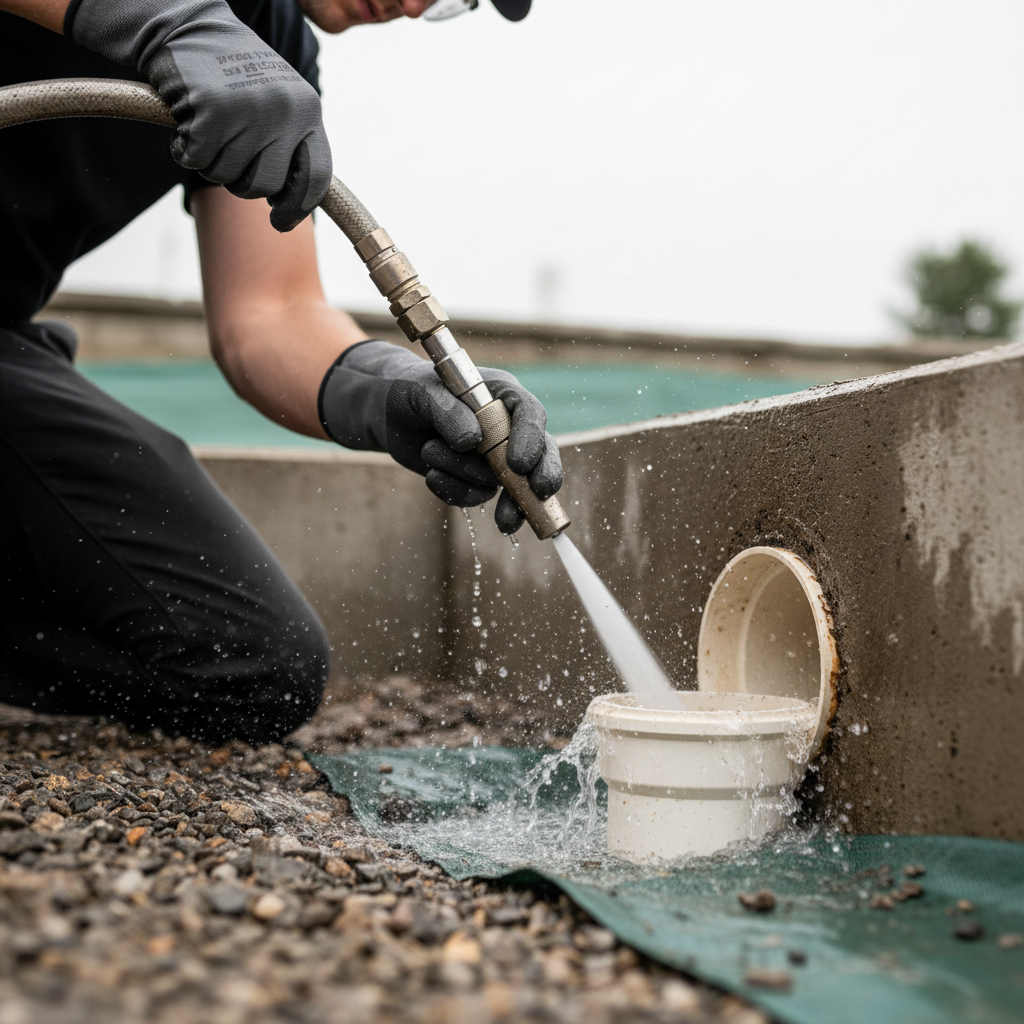
How the work goes
The inspection comes first. It tells us where the trouble is and whether an internal repair makes sense before work proceeds.
We run a camera through an accessible line to identify visible damage and understand the pipe around it.
We discuss the defect, its position and the available access. If a point repair does not fit those conditions, we explain why.
For a qualifying defect, we carry out the UV-cured internal repair and use the camera to review the treated section.
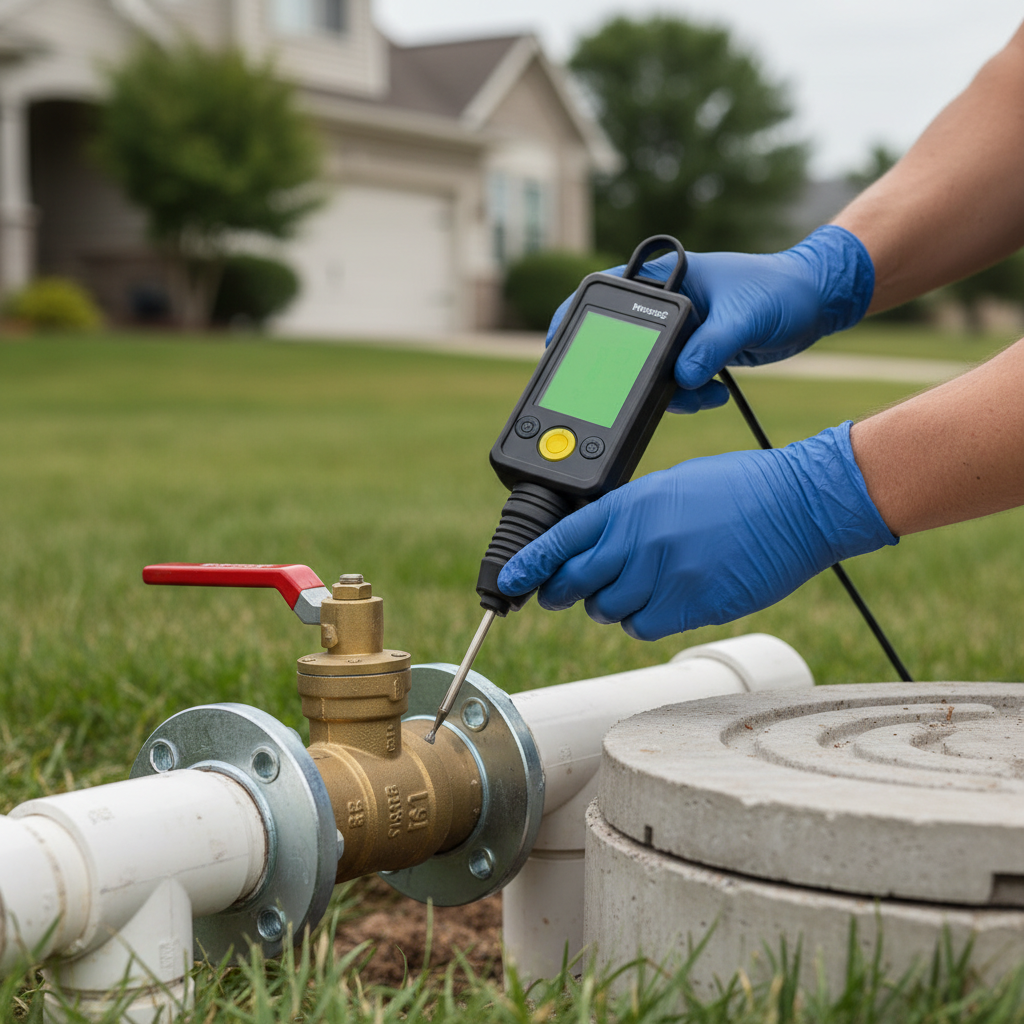
“The right repair starts with knowing what is actually inside the line.”
Before a point repair
The camera inspection shows what is happening inside the line. Those findings guide the repair decision and give us a clearer picture before any cost discussion.
Access & suitability
An accessible cleanout or other access point lets the camera and repair equipment reach the damaged section. The camera findings determine whether that section is suited to UV point repair.
If the defect is not localized, the pipe condition is poor or access is limited, cleaning first or excavated access may be needed instead.
Planning the work
Start with the inspection so the discussion is grounded in what the camera shows.
Questions before the work
No. UV point repair is for qualifying localized defects. The surrounding pipe’s condition, the defect’s location and available access all affect whether it is suitable.
An internal repair can minimize traditional excavation. Access still matters, so the inspection is the starting point for understanding what the work may involve at your property.
A sewer camera inspection helps locate visible trouble areas in an accessible line. We review those findings before discussing whether a targeted repair fits.
No. Descaling removes buildup from cast iron pipe walls; a point repair addresses a qualifying localized defect. The camera view helps distinguish between those needs.
Start with an inspection
Millstone Trenchless can inspect the line, show you the area of concern and discuss whether UV point repair is a suitable next step.